Musty odor with no visible mold
We run airborne mold spore testing near me SAN YSIDRO calls like this to locate the source. Elevated counts in one room point us to the wall cavity, ceiling void, or HVAC run that needs a boroscope inspection camera.
Mold Spore Testing in SAN YSIDRO, California measures the actual spore load in your indoor air instead of guessing from a stain on the wall. We run airborne mold spore testing SAN YSIDRO homeowners and property managers rely on when a musty smell, a past leak, or a recent flood leaves them wondering what they are breathing. You get sample results, a clear comparison to outdoor baseline levels, and a straight answer on whether remediation is needed.
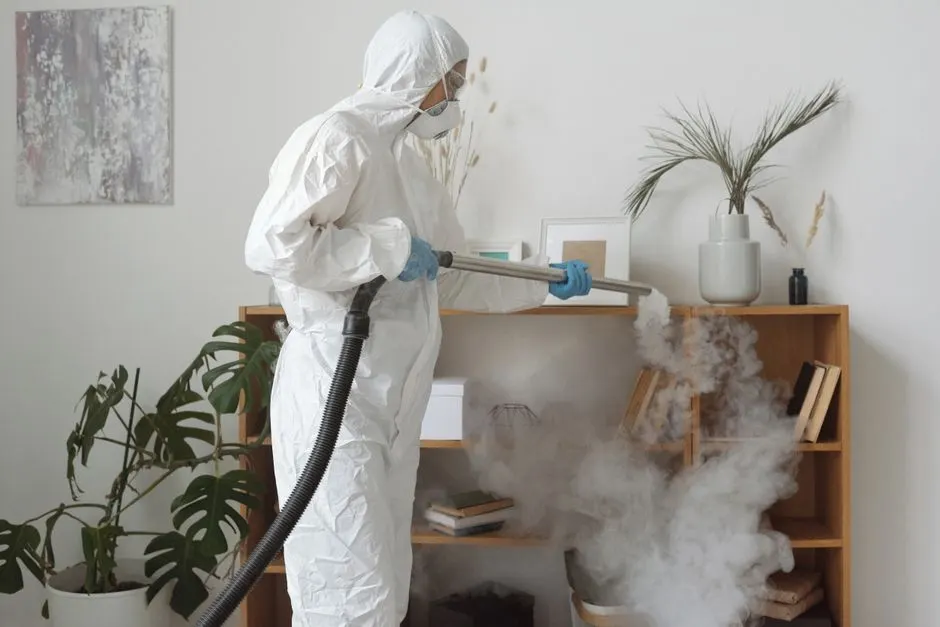
Mold Spore Testing in SAN YSIDRO, California is a diagnostic air and surface sampling service that captures airborne mold spores on calibrated media, sends them to an accredited laboratory, and returns a genus-by-genus spore count you can act on. We use an air sampling pump set to a fixed flow rate, usually 15 liters per minute for five to ten minutes per room, plus tape-lift or swab samples when we find visible growth. The lab identifies genera such as Cladosporium, Penicillium/Aspergillus, Stachybotrys, and Chaetomium, then reports raw counts and spores per cubic meter.
If you have smelled something damp in a bathroom, watched a ceiling stain spread after winter rain, or just finished drying out a flooded garage, testing tells you whether the problem is still active. We run mold spore sampling SAN YSIDRO California property owners use to settle insurance claims, close real estate contingencies, and verify that a prior cleanup actually worked. A single indoor sample without an outdoor control is close to useless, so every job includes a baseline taken from outside your building.
Every spore testing visit includes the on-site walkthrough, the sampling itself, the accredited lab analysis, and a results call. Here is the breakdown of what you get when you book.
A technician walks the property with a moisture meter and thermal imaging camera to identify likely source areas before choosing sample locations. This step takes 20 to 40 minutes depending on square footage.
We run two to four indoor air samples using a calibrated air sampling pump set to 15 liters per minute. Each sample runs five to ten minutes and captures spores onto laboratory-grade media.
One outdoor baseline sample is taken the same day, so the lab can compare your indoor counts against what is naturally in the air outside. Without this, the indoor numbers have no context.
If we find visible growth, we take a tape lift or swab sample from the affected surface. This adds genus-level identification of what is actually growing, not just what is airborne.
Samples ship the same day to an accredited laboratory. The lab reports raw counts and spores per cubic meter by genus, with standard turnaround of 24 to 48 hours.
You get a full written report by email plus a phone call walking through the findings. We explain what each genus means, how your counts compare to the outdoor baseline, and whether remediation is warranted.
You call (833) 929-5837 and describe what you are seeing or smelling. We ask about the age of the building, recent water events, and whether anyone in the home has respiratory symptoms. That call takes about ten minutes and sets the sampling plan before we ever load the truck.
A technician walks the property with a moisture meter and thermal imaging camera, checking walls, ceilings, baseboards, and the HVAC closet for temperature anomalies that signal trapped moisture. We map out where the visible problems are and pick sample locations that represent the whole building, not just the worst room.
We set the air sampling pump to 15 liters per minute and run each indoor sample for five to ten minutes, plus one outdoor control sample for comparison. Visible growth gets a tape lift or swab. The whole sampling phase usually takes 45 to 90 minutes depending on square footage and how many rooms we are covering.
Samples ship to an accredited laboratory the same day they are collected. The lab cultures and microscopically identifies each genus, then reports raw counts and spores per cubic meter. Standard turnaround is 24 to 48 hours, with rush options available when you are on a deadline.
We call you with the findings and email the full report. You get a plain-language explanation of what each genus means, how your indoor counts compare to the outdoor baseline, and whether remediation is warranted. If it is, we scope the work. If it is not, we tell you that too.
Purpose-built equipment, used by trained technicians — so the job is done accurately the first time.
Calibrated to 15 liters per minute, this pump pulls a known volume of air through laboratory media so the lab can calculate spores per cubic meter accurately.
Pin and pinless readings identify elevated moisture in drywall, lumber, and insulation before we choose sample locations. It tells us where the problem likely started.
Infrared scanning reveals temperature anomalies behind walls and above ceilings that signal trapped moisture or hidden mold growth.
A small camera on a flexible probe lets us look inside wall cavities, above ceiling tiles, and inside ductwork without cutting large openings.
When we move into remediation, HEPA vacuuming captures settled spores without releasing them back into the air. We use ProTeam and Dri-Eaz units on every cleanup.
During remediation, a negative air machine keeps the contained area under negative pressure so spores cannot escape into clean rooms. Legend Brands and Phoenix Restoration Equipment units are our standard.
Bringing humidity down below 50 percent stops active mold growth and prepares the space for remediation. We run Dri-Eaz and Phoenix units on water damage jobs.
A homeowner called about a spreading ceiling stain above the shower. The moisture meter read 28 percent in the ceiling drywall, and an air sample showed Penicillium/Aspergillus at three times the outdoor baseline. The source was a slow supply line drip in the wall above.
We repaired the supply line, removed the affected drywall, HEPA vacuumed the cavity, and applied antimicrobial solution. A clearance sample 72 hours later came back at outdoor baseline levels with no water-damage genera present.
A real estate inspection flagged a damp crawl space under a 2015-built home. Air sampling showed elevated Cladosporium counts in the living space above, and the crawl space sample was four times the outdoor baseline. Poor drainage was keeping the soil saturated.
We installed a drainage correction, removed affected insulation, treated the joists with antimicrobial solution, and ran a dehumidifier for five days. Post-remediation sampling showed indoor counts back at outdoor baseline.
A winter storm pushed water into a ground-floor garage. The homeowner dried it out with fans but was not sure if mold had taken hold. Initial sampling showed Chaetomium spores at two times the outdoor baseline, indicating active growth somewhere in the space.
We found mold on the lower 12 inches of drywall and on stored lumber. After removal, HEPA vacuuming, and sporicidal cleaner application, the clearance sample came back at outdoor baseline with no Chaetomium detected.
Most people call us because something smells wrong, something looks wrong, or someone in the house is getting sick. Testing turns that vague concern into a specific number you can act on.
Ask a pro →We run airborne mold spore testing near me SAN YSIDRO calls like this to locate the source. Elevated counts in one room point us to the wall cavity, ceiling void, or HVAC run that needs a boroscope inspection camera.
We sample the affected rooms and compare to outdoor baseline. If counts are elevated, we scope remediation with containment, HEPA vacuuming, and antimicrobial solution application.
Our accredited lab reports include genus-level counts and spores per cubic meter, which is the format insurers expect. We can also provide post-remediation clearance testing to close the claim.
We offer same day mold spore testing in SAN YSIDRO for tight escrow timelines. The report gives both sides a factual basis to negotiate, and rush lab turnaround is available for an added fee.
Most residential jobs run $250 to $550 in 2026, covering two to four indoor air samples plus one outdoor control and the lab analysis. Larger homes, commercial spaces, or rush turnaround push the number higher. Surface samples add roughly $40 to $75 each. We quote the full scope before we start so you know the total.
There is no single universal number, but the working rule is that indoor counts should be similar to or lower than the outdoor baseline taken the same day. If an indoor room shows three or more times the outdoor count, or if it contains water-damage genera like Stachybotrys or Chaetomium, that is a red flag. We compare your indoor and outdoor samples side by side in the report.
We do, and we are local. Our technicians cover San Ysidro Proper, Border Village, Los Olivos, Ocean View Hills, Sunset Gardens, and the Beyer Boulevard Corridor. We bring the air sampling pump, moisture meter, and thermal imaging camera to every call, and we can usually schedule same-day or next-day depending on the time you reach us.
Standard turnaround is 24 to 48 hours from the time samples reach the lab. We ship the same day we collect, so a Monday morning sampling usually means results by Tuesday afternoon or Wednesday morning. Rush analysis is available for an added fee when you have a real estate closing or an insurance deadline pressing you.
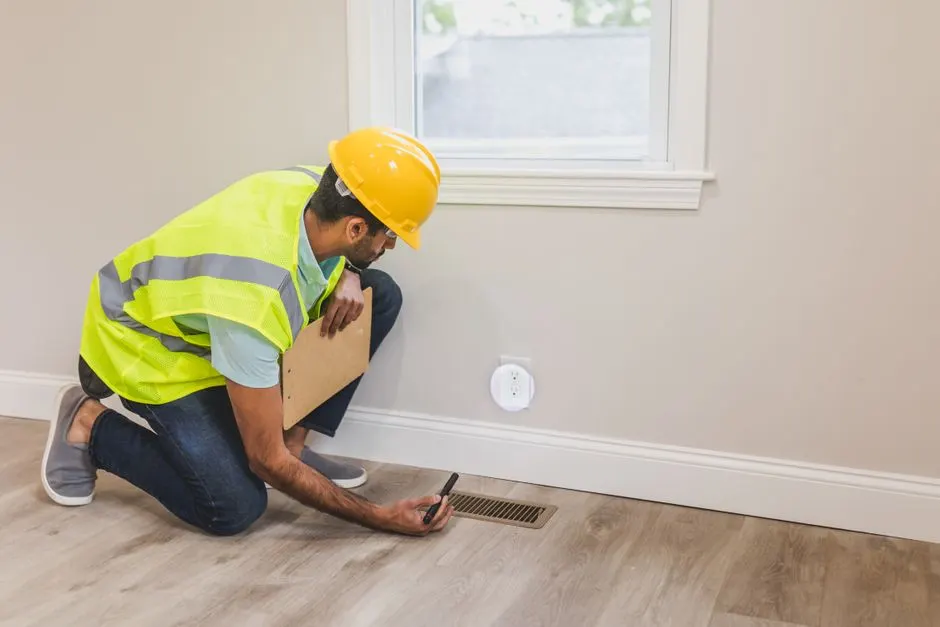 Mold Inspection Near MeA full visual and moisture inspection pairs with spore testing to locate the source. We check walls, ceilings, crawl spaces, and HVAC components, then sample the air to confirm what the inspection suggests.Explore →
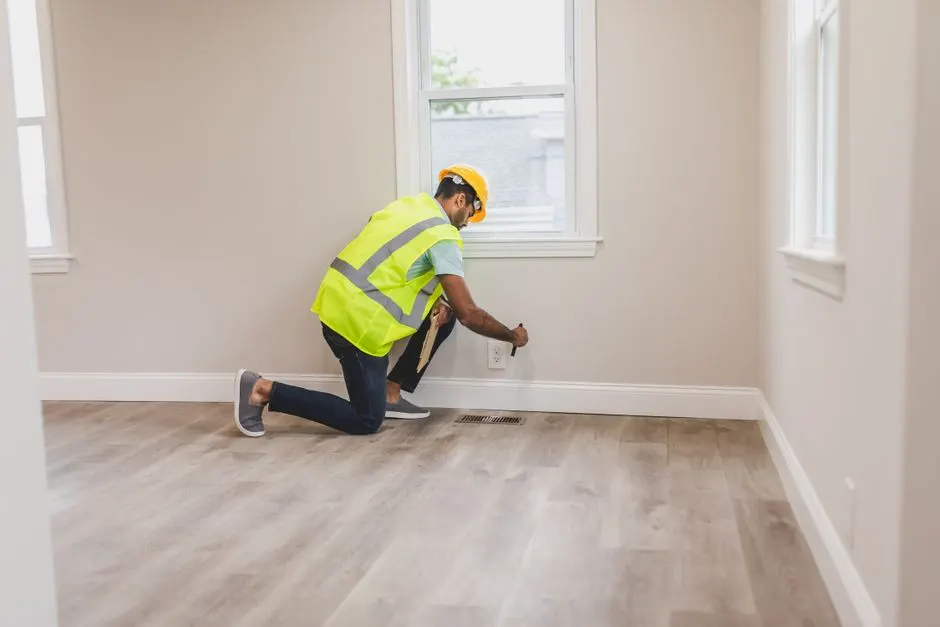 Mold InspectionOur standard inspection covers moisture mapping with a moisture meter and thermal imaging camera, plus a written report. When paired with spore testing, it gives you both the location and the airborne evidence.Explore →
 Mold TestingBroader than spore sampling alone, mold testing can include surface swabs, tape lifts, and bulk samples. We recommend the right combination based on what we see during the walkthrough.Explore →
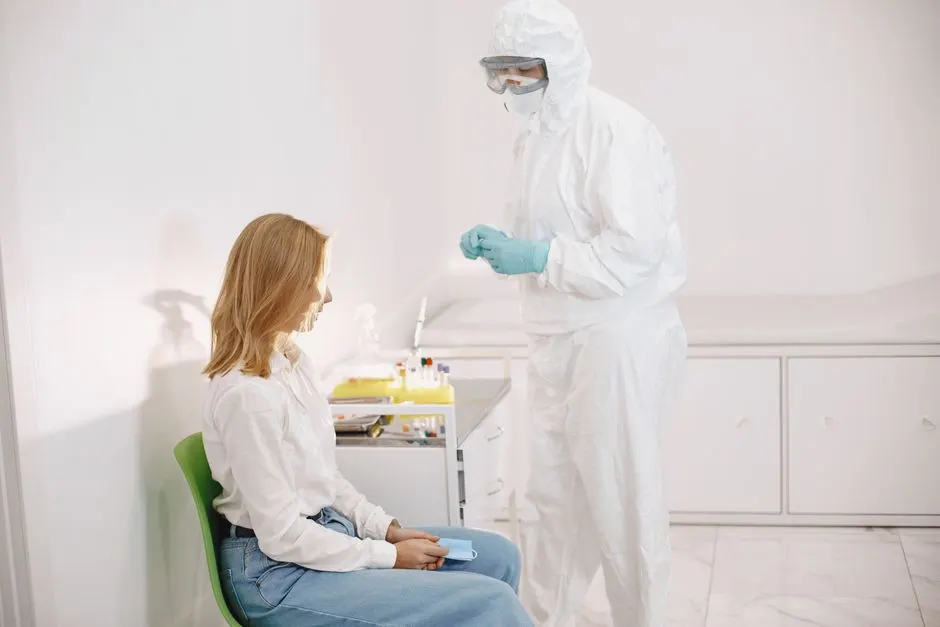 Mold Testing Near MeIf you are searching for local testing, we cover San Ysidro and the surrounding South Bay. Same-day appointments are often available, and every sample goes to an accredited lab.Explore →
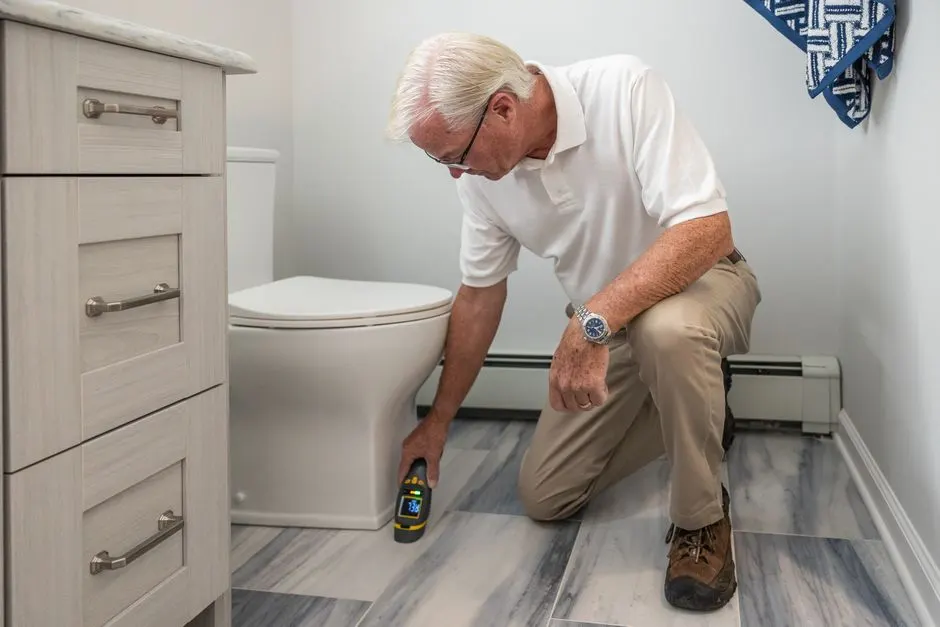 Certified Mold InspectorOur inspectors hold IICRC AMRT and WRT credentials and follow California Department of Public Health guidelines. They interpret spore counts against outdoor baselines and explain what each genus means for your building.Explore →
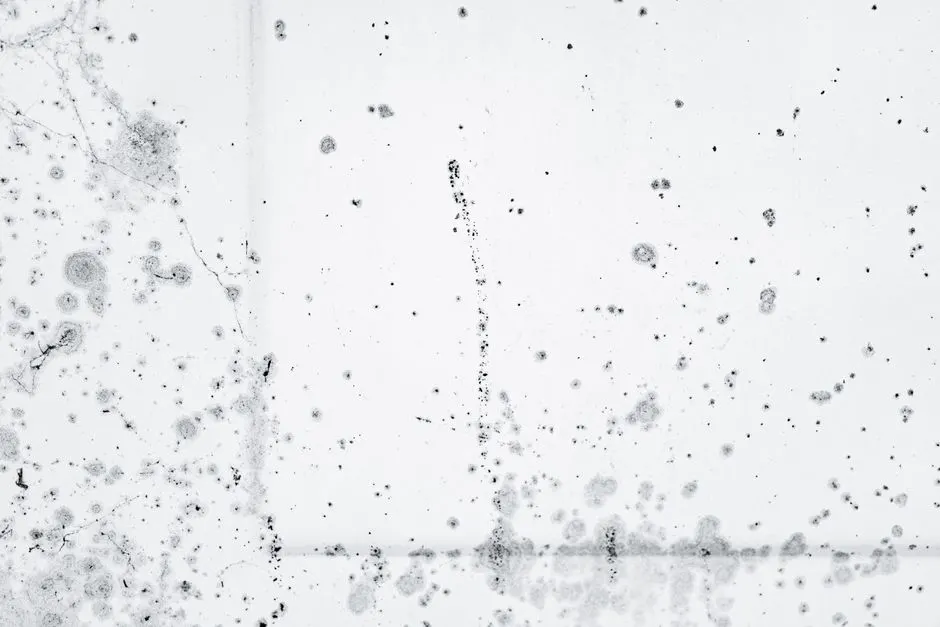 Black Mold InspectionWhen Stachybotrys or other dark-colored genera show up in a spore sample, we do a targeted inspection of the likely source area. That includes boroscope inspection camera work inside wall cavities and above ceiling tiles.Explore →
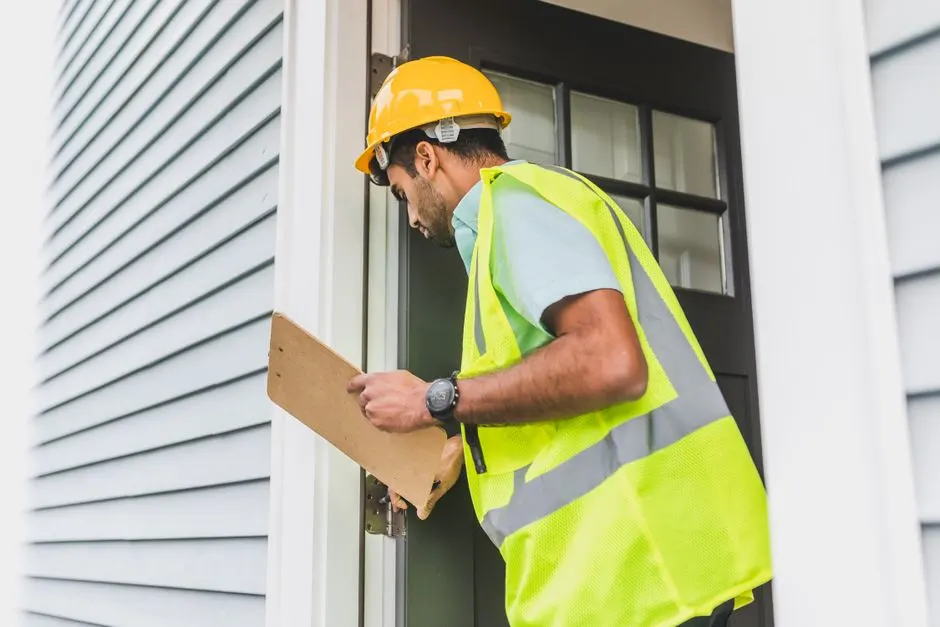 Home Mold InspectionA full-home inspection covers attic, crawl space, bathrooms, kitchen, and HVAC closet. We combine that walkthrough with air sampling so you get a complete picture of the home's mold condition.Explore →
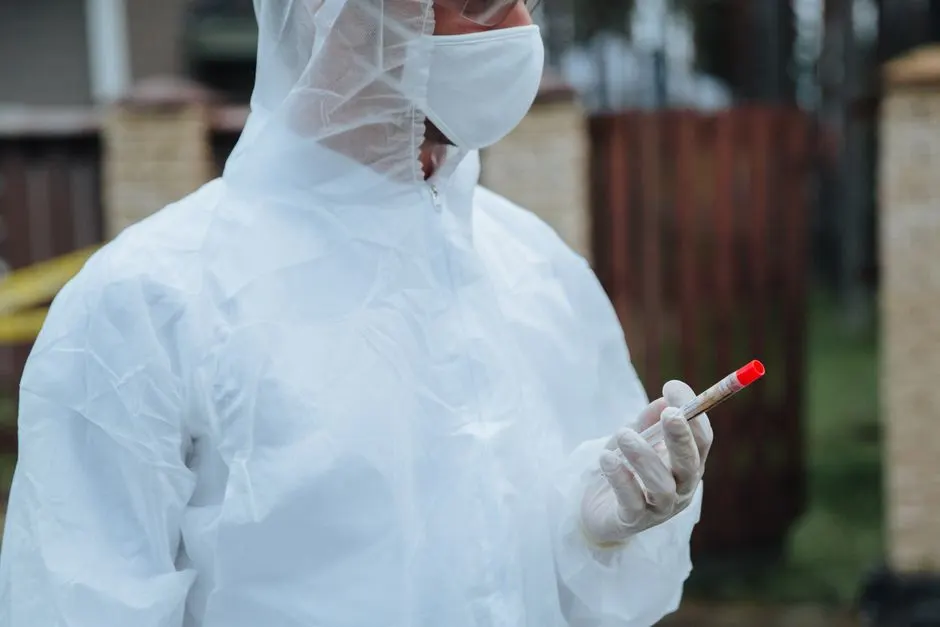 Residential Mold TestingDesigned for homeowners and renters, this service focuses on the rooms you live in. We sample bedrooms, living areas, and any room with a musty odor or past water damage.Explore →
Call (833) 929-5837 and we will schedule a technician, run the samples, and get you a lab report within 24 to 48 hours. Licensed, insured, and local to San Ysidro since 2022.
Schedule Testing (833) 929-5837 →Call (833) 929-5837 any time, day or night, and a real person answers. We schedule inspections same-day when possible and dispatch emergency crews 24/7 for active leaks and spreading mold. If you prefer email, send photos and your address to info@moldremediationservicesanysidro.com and we will follow up with next steps.