Musty odor that won't go away after cleaning
We run a dry fog mold treatment SAN YSIDRO wide that reaches into wall voids and HVAC plenums. The sporicidal fog neutralizes the microbial compounds causing the odor, not just the surface growth.
Mold Fogging Treatment in SAN YSIDRO, California is the fastest way to knock down airborne spores after a leak, flood, or musty smell you can't trace. We run dry fog through every room, closet, and duct so the mold you can't see gets treated too. If your bathroom ceiling, crawl space, or attic has that damp, earthy odor, call us today.
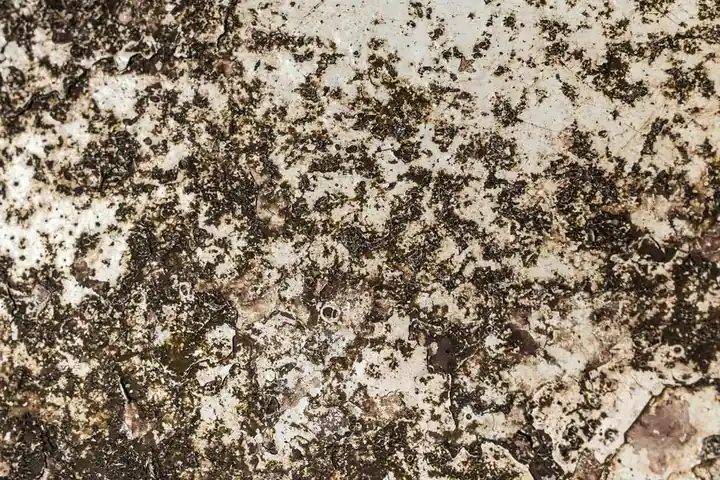
Mold Fogging Treatment in SAN YSIDRO, California is a whole-structure disinfection that turns a liquid antimicrobial into a fine, dry mist and pushes it into every gap, seam, and duct run. We use a fogger paired with a sporicidal cleaner like Benefect or Concrobium, and the mist settles on surfaces at roughly 1 to 5 microns, which is small enough to reach behind baseboards, inside wall cavities, and through HVAC plenums. It doesn't replace physical removal of heavy growth, but it neutralizes the spores that scrubbing alone leaves behind.
Local homeowners call us most often after a slab leak, a bathroom fan failure, or a rainy season that left the crawl space wet for weeks. SAN YSIDRO sits close to the border where humidity hangs in the air longer than it does a few miles inland, and that's exactly the condition black mold growth loves. We also get calls from Border Village and Camino De La Plaza property managers who need a mold fogging service SAN YSIDRO tenants can stay in the building for. If you're searching for affordable mold fogging remediation in SAN YSIDRO, we quote the job before we start.
Every fogging job we run includes the full sequence from inspection to clearance testing. We don't sell fogging as a standalone spray-and-go service, because that doesn't work. Here's what you get when you book us.
We walk the property with a moisture meter and thermal imaging camera, then use a boroscope inspection camera to check inside wall cavities. This step tells us whether fogging alone will work or whether some material has to come out first.
We seal doorways, vents, and returns with poly sheeting containment and set a negative air machine with HEPA filters. That keeps spores from drifting into clean rooms while we work.
Before any fog goes up, we HEPA vacuum every surface and wipe with a sporicidal cleaner. Removing the loose debris lets the fog reach the substrate instead of sitting on top of dust.
We load the fogger with an EPA-registered antimicrobial like Benefect or Concrobium and run it room by room. Dwell time is 45 to 90 minutes depending on temperature and humidity, and we use a dehumidifier afterward to dry the space.
We pull air samples with an air sampling pump before and after the fog and send them to a certified lab. You get the report in 24 to 48 hours, and if the spore count isn't back to outdoor baseline, we re-fog at no extra charge.
We walk the property with a moisture meter and a thermal imaging camera to map where water is hiding. A boroscope inspection camera goes into wall cavities and behind baseboards. This step takes 45 to 90 minutes and tells us whether fogging alone will work or whether some material has to come out first.
We seal doorways, vents, and returns with poly sheeting containment and duct tape, then set a negative air machine with HEPA filters to keep spores from drifting into clean rooms. For a typical 3-bedroom home, containment setup takes about 60 minutes.
Before any fog goes up, we HEPA vacuum every surface and wipe with a sporicidal cleaner. This removes the loose debris and settled spores that would otherwise block the fog from reaching the substrate. A ProTeam or 3M HEPA vacuum is standard on every truck.
We load the fogger with an antimicrobial solution, usually Benefect or Concrobium, and run it room by room. Dwell time is 45 to 90 minutes depending on temperature and humidity. A dehumidifier drops the moisture level afterward so the surfaces dry clean instead of staying damp.
We run an air sampling pump to pull spore trap samples before and after, then send them to a lab. You get the report in 24 to 48 hours. If the spore count isn't back to outdoor baseline, we re-fog at no extra charge.
Purpose-built equipment, used by trained technicians — so the job is done accurately the first time.
Pin and pinless meters read moisture content in drywall, lumber, and subfloor. We use them to confirm the structure is dry before fogging, because fogging wet material just wastes the treatment.
Infrared cameras show temperature differences that point to hidden moisture behind walls and under floors. We use them to find the source before we set containment.
A boroscope goes into wall cavities, behind baseboards, and inside duct runs. It lets us confirm mold growth without cutting open the wall.
HEPA vacuums capture 99.97 percent of particles at 0.3 microns. We use them to remove loose debris and settled spores before the fog goes up.
Cold foggers turn liquid antimicrobial into a 1 to 5 micron mist. The small droplet size is what lets the fog reach into wall voids and ductwork.
We pull spore trap samples before and after the fog and send them to a certified lab. The report is your proof the job worked.
After fogging, we run a dehumidifier to drop the moisture level so surfaces dry clean instead of staying damp and inviting new growth.
A pinhole slab leak under the kitchen had been seeping for three weeks before the homeowner noticed the musty smell. Moisture meter readings showed elevated content in the baseboards and lower drywall, and air sampling showed spore counts 4x outdoor baseline.
We dried the structure, contained the kitchen and hallway, HEPA vacuumed, and fogged both rooms plus the adjacent bedroom. Post-fog air sampling came back at outdoor baseline within 48 hours. Total job time: 6 hours on-site.
A 1,400 sq ft home had visible mold on the joists and subfloor after a wet winter. The crawl space vents were clogged with debris, and relative humidity under the house was holding at 78 percent. The homeowner noticed a musty smell in the living room.
We cleared the vents, HEPA vacuumed the joists and subfloor, and fogged the entire crawl space with an antimicrobial. Post-fog air sampling in the living room dropped from 3,200 spores per cubic meter to 480, which is right at outdoor baseline.
A homeowner called about a musty smell that seemed to be in every room. The evaporator coil had visible mold growth, and the duct liner was contaminated. Every time the system ran, it pushed spores through the house.
We isolated the air handler, HEPA vacuumed the accessible duct runs, and fogged the plenum and ductwork with an antimicrobial. We also referred the homeowner to a NADCA-certified duct cleaning company for the heavy contamination. Post-fog air sampling came back at baseline in 48 hours.
Fogging is the right tool for a specific set of problems. Here are the ones we see most often in SAN YSIDRO, and how we handle each.
Ask a pro →We run a dry fog mold treatment SAN YSIDRO wide that reaches into wall voids and HVAC plenums. The sporicidal fog neutralizes the microbial compounds causing the odor, not just the surface growth.
We dry the structure first, then contain and HEPA clean the affected rooms. Fogging neutralizes the spores that already colonized the surfaces, and clearance testing confirms the count is back to baseline.
We treat the joists, subfloor, and insulation with a fog that reaches into the tight corners. If the vents are clogged or undersized, we flag that so you can fix the moisture source and keep the problem from coming back.
We isolate the air handler, HEPA vacuum the accessible duct runs, and fog the plenum and ductwork with an antimicrobial. We also recommend a NADCA-certified duct cleaning if the contamination is heavy.
Most residential jobs run $650 to $1,450 in 2026, and commercial spaces run $1,800 to $4,500 depending on square footage. The price covers containment, HEPA vacuuming, the fog itself, and post-fog clearance testing. Crawl spaces and attics add $200 to $500 because of access and setup time.
Yes, once the fog has settled and the space is ventilated. We use EPA-registered antimicrobials like Benefect and Concrobium, and we keep people and pets out during the 45 to 90 minute dwell time plus a 1-hour ventilation cycle. Plan on being out of the house for about 4 hours total.
We do. Our crew is based in SAN YSIDRO and runs dry fog mold treatment across San Ysidro Proper, Border Village, Ocean View Hills, and the Beyer Boulevard Corridor. We carry the fogger, HEPA vacs, and air sampling pumps on the truck, so we don't subcontract the work out.
Often yes. Call before 2 p.m. and we can usually inspect the same day, and if the scope is straightforward we can fog the next morning. For active leaks or a strong musty smell, we run 24/7 emergency calls and can start containment the same evening.
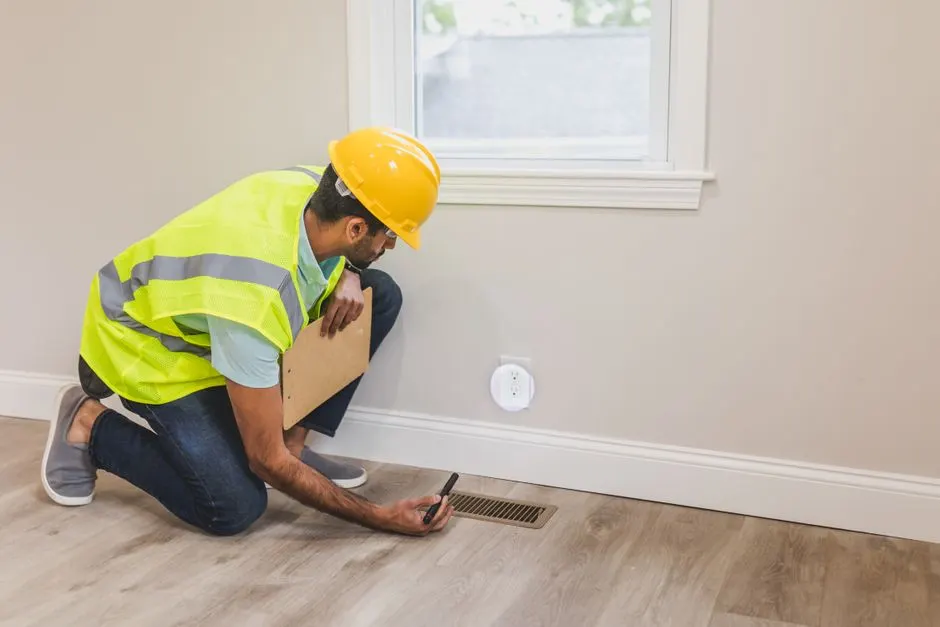 Mold Inspection Near MeBefore any fog goes up, we inspect the property with a moisture meter and thermal imaging camera to find where the water is coming from. This is the first step for any SAN YSIDRO fogging job.Explore →
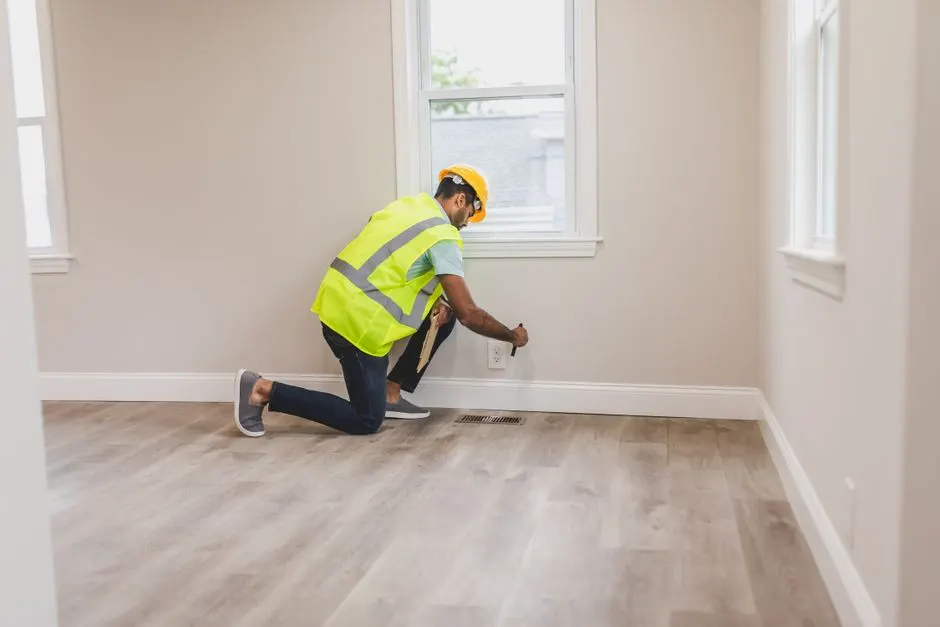 Mold InspectionA full inspection maps visible growth, hidden moisture, and air quality concerns. We use it to decide whether fogging alone will work or whether some material has to be removed first.Explore →
 Mold TestingLab testing tells you what species you're dealing with and how high the spore count is. We use those numbers to set the fog concentration and to prove the job worked after we're done.Explore →
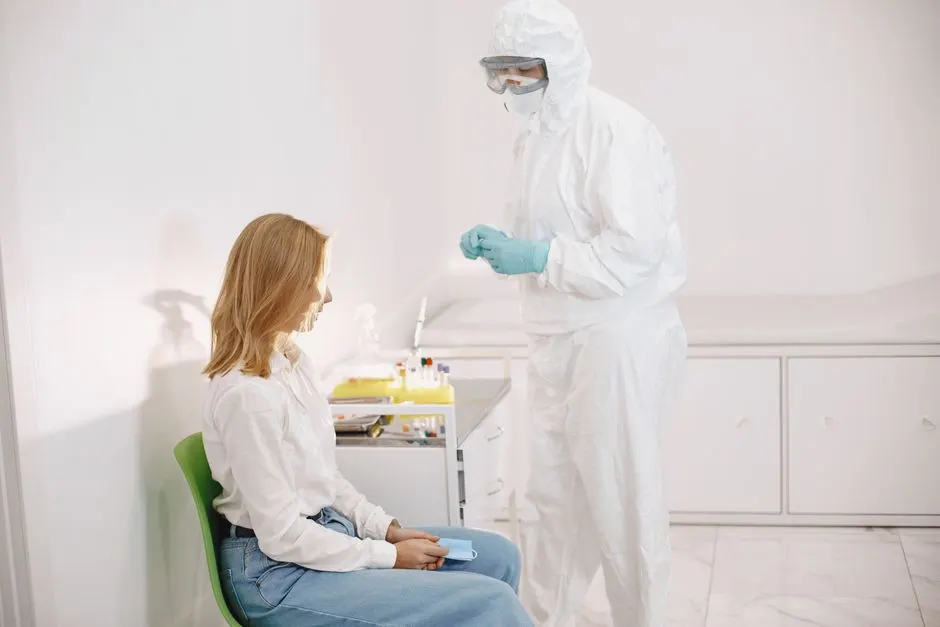 Mold Testing Near MeSame-day testing is available for SAN YSIDRO properties. We pull air samples with an air sampling pump and send them to a certified lab for a 24 to 48 hour turnaround.Explore →
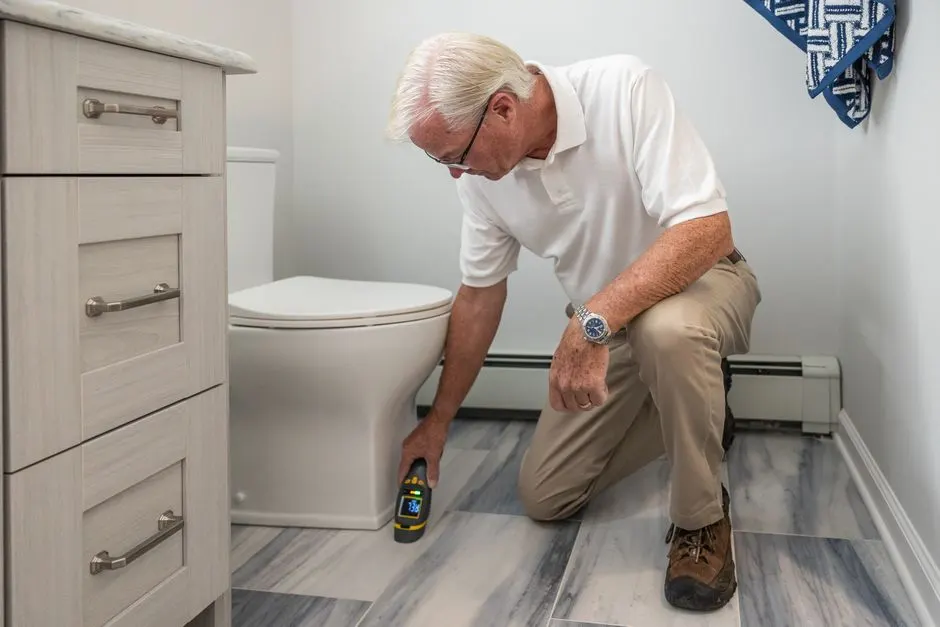 Certified Mold InspectorOur ACAC CMI inspector handles the assessment and the clearance report. That means the same standard is applied before and after the fog, which matters if you're filing an insurance claim.Explore →
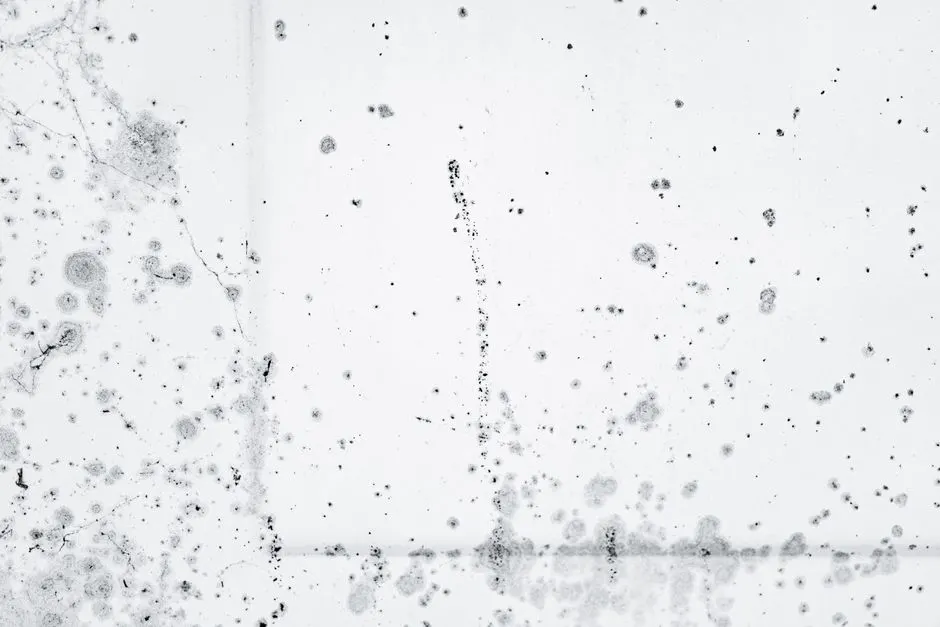 Black Mold InspectionBlack mold growth often hides behind drywall and under flooring. We use a boroscope inspection camera to confirm it before recommending fogging or full removal.Explore →
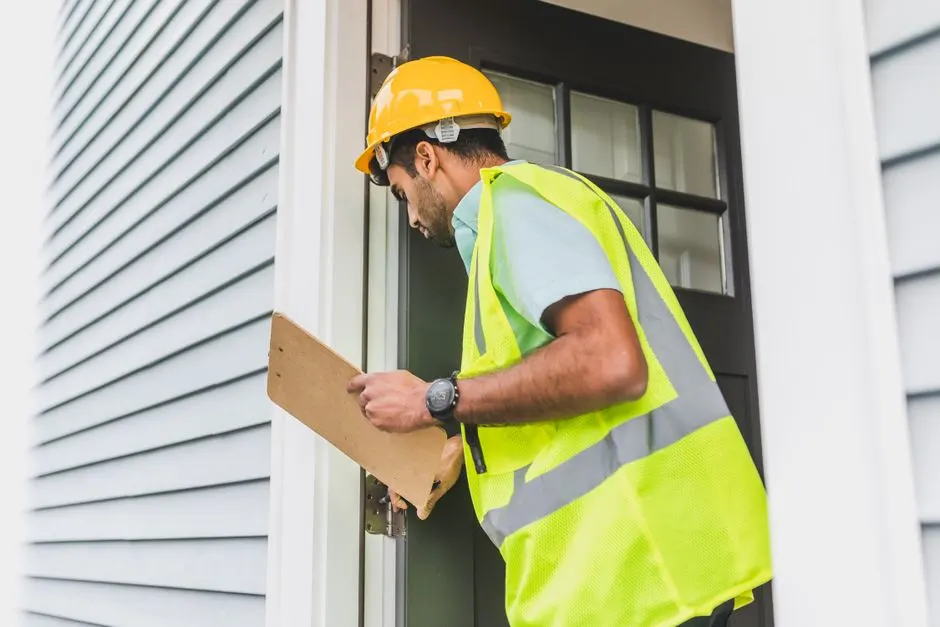 Home Mold InspectionA whole-home inspection covers attic, crawl space, bathrooms, and HVAC. We flag the areas that need fogging and the areas that need physical removal.Explore →
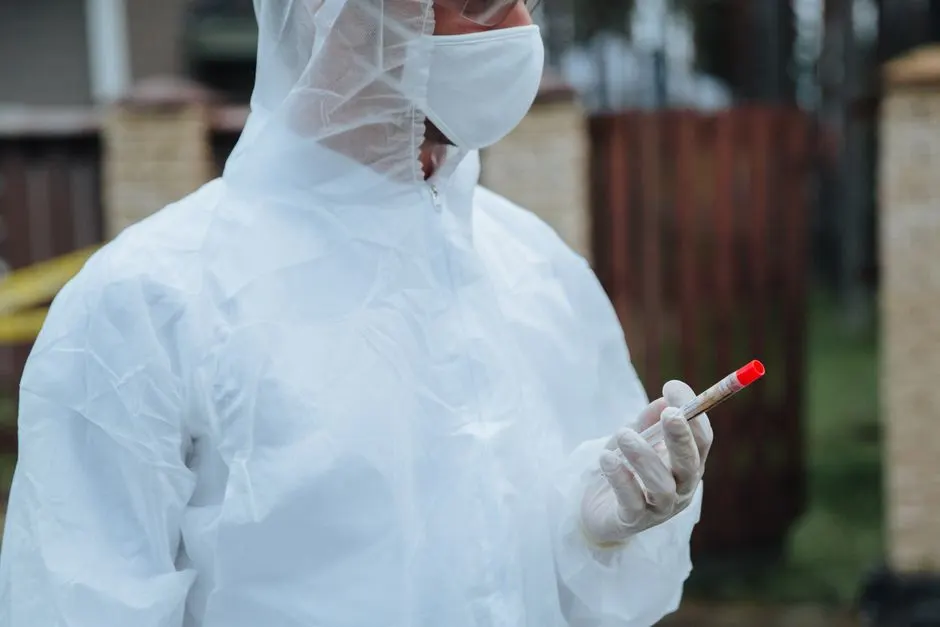 Residential Mold TestingResidential testing gives you a baseline spore count for your home. We compare it to outdoor air, then fog and retest to confirm the count is back to normal.Explore →
We're a CSLB-licensed mold remediation contractor with IICRC AMRT certified techs, and we answer the phone 24/7. Call now and we'll schedule an inspection, quote a flat price, and get your fogging on the calendar.
Get a Free Quote (833) 929-5837 →Call (833) 929-5837 any time, day or night, and a real person answers. We schedule inspections same-day when possible and dispatch emergency crews 24/7 for active leaks and spreading mold. If you prefer email, send photos and your address to info@moldremediationservicesanysidro.com and we will follow up with next steps.