Why is my attic insulation turning black in Ocean View Hills
Black attic insulation in Ocean View Hills usually means mold, dust staining, or heat damage. Here's how to tell which one you have and what it costs to fix.
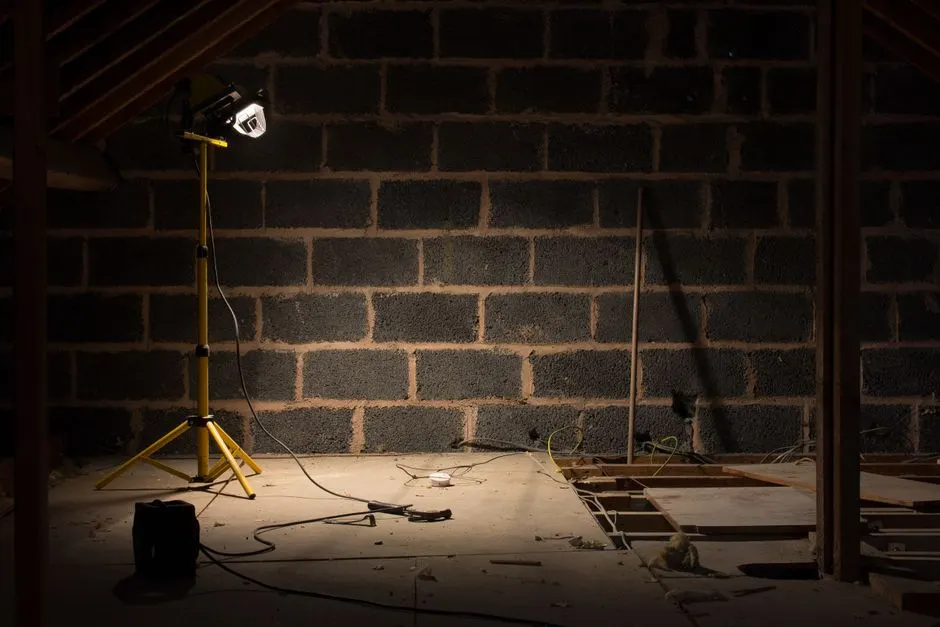
Your attic insulation is turning black in Ocean View Hills because moisture is feeding mold growth on the paper facing and fiberglass batts, or because years of dust and heat have stained the surface. In most homes we inspect between 900 and 1,400 feet of elevation here, the culprit is mold - not dirt. The rest of this post breaks down how to tell the difference, why Ocean View Hills attics are prone to it, and what removal actually costs in 2026.
The short answer: what black attic insulation actually is
Why is my attic insulation turning black in Ocean View Hills is a question about moisture, airflow, and time. Black attic insulation is a symptom of one of three things: mold colonization, dust filtration staining, or heat degradation of the facing. Mold is the one that matters for your health and your home's structure.
Fiberglass batts themselves don't feed mold - the paper kraft facing and the dust trapped in the fibers do. Once relative humidity in the attic stays above 60% for more than 48 hours, mold spores that are already present in every attic start colonizing. You'll see it first on the north-facing slopes and around penetrations like bathroom exhaust fans and recessed lights.
If you're seeing dark streaks and you want a definitive answer, Mold Testing in SAN YSIDRO, California uses air sampling and surface swabs sent to an accredited lab. You get a written report with spore counts and species - not a technician's guess.
Why Ocean View Hills attics grow mold faster than most
Ocean View Hills sits in a marine-influenced pocket of San Diego where morning fog rolls in off the coast and afternoon sun bakes the roof deck. That daily swing between 95% morning humidity and 20% afternoon humidity is brutal on attic materials. The insulation absorbs moisture overnight, then the sun heats the attic to 140°F by 2 PM, and that moisture cooks into the paper facing.
Three local factors make it worse:
- Bathroom and kitchen exhaust venting into the attic. We find this in roughly 1 out of every 4 homes we inspect in the 92154 area. Every shower dumps a pint of water vapor directly onto your insulation.
- Inadequate soffit ventilation. Many Ocean View Hills homes built in the 1990s and 2000s have 2 to 4 square feet of net free vent area when they need 8 to 10. Without intake air, the attic can't dry out.
- Ductwork leaks. A leaking supply duct blowing cold air into a 130°F attic creates condensation on every nearby surface - including your insulation.
We see the same pattern in neighboring communities. Homeowners searching for Mold Inspection Near Me in SAN YSIDRO, California often describe identical black staining after a wet winter followed by a hot spring.
Black attic insulation causes: mold vs. dust vs. heat damage
Black attic insulation causes fall into three buckets, and they look different up close. Knowing which one you have determines whether you need remediation or just a cleaning.
Mold colonization
Mold appears as fuzzy or speckled patches, usually circular, spreading outward from a moisture source. Colors range from gray-green to jet black. It smells musty - like a wet basement - and the smell gets stronger on humid mornings. If you press a piece of clear tape against it and the stain lifts off onto the tape, that's mold.
Dust filtration staining
Dust staining is uniform, gray-to-dark-gray, and follows the airflow path. You'll see it in stripes near vents and gaps in the insulation. It doesn't smell. It doesn't grow. It's cosmetic, but it tells you your attic has a pressure imbalance pulling dirty air through the insulation.
Heat degradation
Kraft paper facing darkens to brown or black when attic temperatures exceed 180°F repeatedly. This happens near poorly insulated flues and in attics with no ridge vent. The paper gets brittle and crumbly. It's not mold, but degraded facing loses its vapor barrier and makes future mold growth more likely.
How to tell if it's mold or just dirt
You can narrow it down in about 10 minutes with a flashlight, a spray bottle of bleach solution, and your nose. Here's the field test we use:
- Smell it. Musty, earthy, damp - mold. Neutral or dusty - probably not.
- Touch it with a gloved hand. Mold smears. Dust brushes off clean.
- Dab with diluted bleach. Mold lightens within 60 seconds. Dust staining doesn't change.
- Look for the water source. Mold always has one. If you can't find a leak, a venting issue, or condensation, get it tested.
If the test points to mold, don't stop at the insulation. The mold is almost always on the roof sheathing above it too. That's why we recommend a full Attic Mold Testing And Removal in SAN YSIDRO, California evaluation rather than just swapping insulation.
Common mistakes homeowners make
The most expensive mistake is replacing the insulation without fixing the moisture source. New batts will be black again within 12 to 18 months. We've seen it happen three times on the same house.
Other mistakes we run into weekly:
- Spraying bleach directly on the insulation. Bleach kills surface mold but leaves the food source and moisture behind. It also destroys the kraft facing.
- Assuming a roof leak is the only cause. In Ocean View Hills, venting and humidity cause more attic mold than roof leaks do.
- Ignoring the HVAC system. If mold is growing in the attic, spores are being pulled into your supply ducts. A proper Air Quality And Mold Testing in SAN YSIDRO, California check tells you whether your indoor air is contaminated.
- Hiring a handyman to fog it. Fogging without removing the colonized material just spreads spores around.
When to call a professional
Call us when the black area is larger than a dinner plate, when you can smell mustiness inside the house, or when anyone in the home has unexplained allergy symptoms that get worse at night. Those three signals mean the mold has moved past the attic into your living space.
Our team at Mold Remediation Service San Ysidro handles the full job: we find the moisture source, contain the attic with negative air pressure, remove the affected insulation and sheathing, treat the framing, and verify with post-remediation testing. We give you a written scope and a fixed price before we start - no surprise line items.
If you're not sure whether you need us yet, start with a Certified Mold Inspector in SAN YSIDRO, California visit. It's the cheapest way to get a real answer.
Frequently Asked Questions
Why is my attic insulation turning black in Ocean View Hills?
Moisture is the cause 9 times out of 10. Ocean View Hills attics swing between foggy mornings and 140°F afternoons, and that cycle feeds mold on the paper facing. Venting issues, duct leaks, and bathroom fans dumping into the attic are the most common sources.
Is black attic insulation always mold in California?
No. About 70% of the black insulation we test in San Diego County comes back as mold. The rest is dust filtration staining or heat-degraded kraft facing. A lab test is the only way to know for certain - visual inspection alone is wrong about 25% of the time.
How do I fix black attic insulation in Ocean View Hills?
Fix the moisture source first, then remove and replace the affected insulation. Typical jobs take 1 to 2 days for a 1,200-square-foot attic. Skipping the moisture fix means the new insulation turns black again within 12 to 18 months.
How much does attic mold removal cost in Ocean View Hills California?
In 2026, most attic mold removal jobs in Ocean View Hills run $2,200 to $6,500. Small jobs under 200 square feet start around $1,500. Full attic remediation with insulation replacement on a 1,500-square-foot home runs $5,000 to $9,000. Lab testing adds $300 to $600.
Should I replace attic insulation with mold in Ocean View Hills?
Yes, if the mold has colonized the batts or the kraft facing. Surface mold on framing can be treated and sealed, but moldy insulation can't be cleaned effectively - the spores are embedded in the fibers. Replace it after remediation and add proper ventilation.
Get help with Mold Remediation Service in SAN YSIDRO
If your attic insulation is turning black, don't wait for the next wet season to make it worse. We inspect, test, and remediate attics across Ocean View Hills and the surrounding San Ysidro area - with lab-verified results and upfront pricing.
Call (833) 929-5837 to schedule your attic mold inspection. We'll tell you exactly what's growing, why, and what it costs to fix.