Musty odor with no visible mold
We use air sampling pumps to measure spore counts and thermal imaging cameras to find hidden moisture. Once we locate the source, we confirm the genus with lab testing and give you a scope of work to fix it.
If your basement smells musty or you have spotted dark patches after rain, a Basement Mold Inspection in SAN YSIDRO, California gives you real answers. We are a licensed mold inspection company serving Border Village, San Ysidro Proper, and the Beyer Boulevard Corridor. Our certified inspectors use moisture meters, thermal imaging cameras, and air sampling pumps to find mold, trace the water source, and hand you a lab report you can act on.
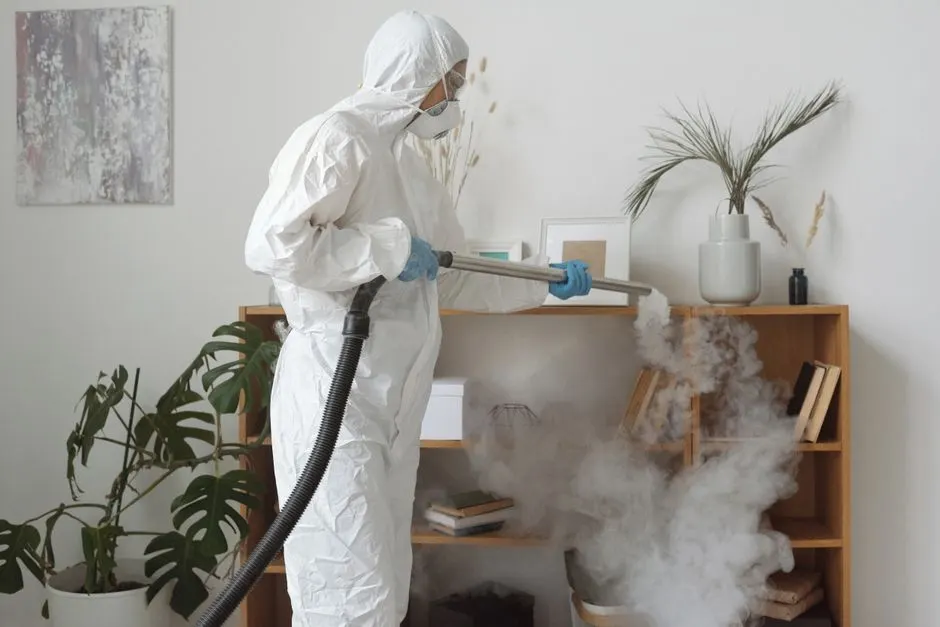
A Basement Mold Inspection in SAN YSIDRO, California is a full visual and instrument-based evaluation of your below-grade space. We check walls, joists, subfloor, insulation, and ductwork for visible growth, then confirm hidden moisture with a moisture meter and thermal imaging camera. If we find suspect material, we take surface or air samples and send them to a certified lab. You get a written report with photos, lab results, and a clear scope of what needs to come out.
Basements in SAN YSIDRO sit close to the border and the Tijuana River valley, where winter rain and high water tables push moisture through slab cracks and block walls. We see black mold growth behind drywall, musty odors in finished rooms, and crawl space mold that climbs into floor framing. If you need basement mold testing with lab results in SAN YSIDRO California, our inspectors can be on-site the same day you call.
Every inspection includes a full visual walkthrough, moisture mapping, and a written report. Sampling is included when we find suspect growth. Here is what you get when you book with us.
We inspect every accessible area of your basement, crawl space, and adjacent framing. We photograph staining, efflorescence, peeling paint, and any visible growth. You get a complete picture of what is going on.
We use a moisture meter and thermal imaging camera to find hidden moisture behind finishes. A boroscope inspection camera lets us look inside wall cavities without cutting drywall. This is how we find the water source.
When we find suspect growth, we collect air samples with an air sampling pump or take surface swabs. Samples go to an accredited lab, and results come back in 24 to 48 hours with genus identification and spore counts.
You get a full report with photos, moisture readings, lab results, and a scope of work. The report is written in plain language and works for insurance claims, real estate transactions, and contractor bids.
After you receive the report, we walk you through it by phone and answer your questions. If remediation is needed, we can schedule it the same week. If it is not, we tell you that too.
We ask about the age of the home, recent water events, and what you have noticed. That tells us what equipment to load. You get an upfront price range before we schedule, and we confirm the appointment window in writing.
The inspector starts with a full visual sweep of the basement, crawl space, and adjacent framing. We check for staining, efflorescence, peeling paint, and musty odors. We photograph everything and note the location of every suspect area.
We run a moisture meter across walls, joists, and slab edges, then scan with a thermal imaging camera to find cooler, wetter zones behind finishes. A boroscope inspection camera lets us look inside wall cavities without cutting drywall.
If we find suspect growth, we collect air samples with an air sampling pump or take surface swabs. Samples go to a certified lab, and results come back in 24 to 48 hours with genus identification and spore counts.
You get a full report with photos, moisture readings, lab results, and a scope of work. We walk you through it by phone and answer questions. If remediation is needed, we can schedule it the same week.
Purpose-built equipment, used by trained technicians — so the job is done accurately the first time.
Measures moisture content in drywall, lumber, and concrete. We use it to find wet zones behind finishes and confirm whether a wall is dry enough to leave in place.
Detects temperature differences that indicate hidden moisture. It lets us find wet areas behind walls and under floors without cutting into finished surfaces.
A small camera on a flexible probe that lets us look inside wall cavities, behind baseboards, and under subfloors without demolition.
Draws a measured volume of air through a collection cassette. The cassette goes to a lab, which identifies and counts spores.
Captures mold spores and debris during cleanup. We use ProTeam and 3M HEPA vacuums to prevent cross-contamination between rooms.
Creates negative pressure inside containment so spores cannot escape into the rest of the home. We run these during remediation, not inspection.
Removes moisture from the air after a leak or flood. We use Dri-Eaz and Phoenix Restoration Equipment units to dry basements fast.
A homeowner in San Ysidro Proper noticed a musty smell in their finished basement but could not see any mold. The space had been damp for months after a slab leak.
We found elevated moisture behind the drywall with a thermal imaging camera and confirmed black mold growth with lab testing. After remediation, spore counts dropped from 4,200 spores/m3 to 180 spores/m3, and the musty odor was gone.
A family in Ocean View Hills had a crawl space with visible mold on the joists and insulation. The space had no vapor barrier and stayed damp year-round.
We removed affected insulation, treated the joists with antimicrobial solution, and installed a vapor barrier. Post-remediation testing confirmed spore counts returned to normal levels, and the crawl space stayed dry through the next rainy season.
A winter storm flooded a Border Village basement with two inches of water. The homeowner called us three days later when a musty smell appeared.
We extracted standing water, dried the space with Dri-Eaz dehumidifiers, and removed affected drywall. Lab testing confirmed mold had started growing, so we remediated and retested. Final spore counts were within normal outdoor levels.
Basement mold shows up in different ways depending on the home. Here are the most common problems we see in SAN YSIDRO and how we solve them.
Ask a pro →We use air sampling pumps to measure spore counts and thermal imaging cameras to find hidden moisture. Once we locate the source, we confirm the genus with lab testing and give you a scope of work to fix it.
We inspect the wall assembly with a boroscope inspection camera, trace the moisture to its source, and sample the growth for lab identification. Then we give you a remediation scope that addresses both the mold and the water.
We inspect the entire crawl space, measure moisture in joists and subfloor, and sample any visible growth. Our report tells you exactly which lumber can be cleaned and which has to be replaced.
We use thermal imaging and moisture meters to map the wet zone, then sample for mold. If growth is confirmed, we give you a remediation plan that includes drying the slab and treating affected materials.
Most basement mold inspections in SAN YSIDRO run $250 to $650 in 2026, depending on square footage and how many samples we take. A basic visual inspection with one or two air samples sits at the low end. Larger basements, crawl spaces, or multiple sample locations push toward the higher end. You get the exact price before we schedule.
The main causes we see are slab leaks, poor drainage, and high humidity. SAN YSIDRO sits in the Tijuana River valley, so winter rain and a high water table push moisture through foundation walls and slab cracks. Add a failed sump pump or a blocked French drain and you have ideal conditions for black mold growth within 48 hours.
We do. Our certified inspectors serve all of SAN YSIDRO, including Border Village, San Ysidro Proper, Los Olivos, and Ocean View Hills. We use air sampling pumps, moisture meters, and thermal imaging cameras, and every sample goes to an accredited lab. Call (833) 929-5837 to book.
Yes, in most cases. We hold same-day slots for active leaks and post-flood calls. If you call before noon, we can usually have an inspector on-site the same afternoon. Weekend appointments are available, and we also offer 24/7 emergency mold testing services for urgent situations.
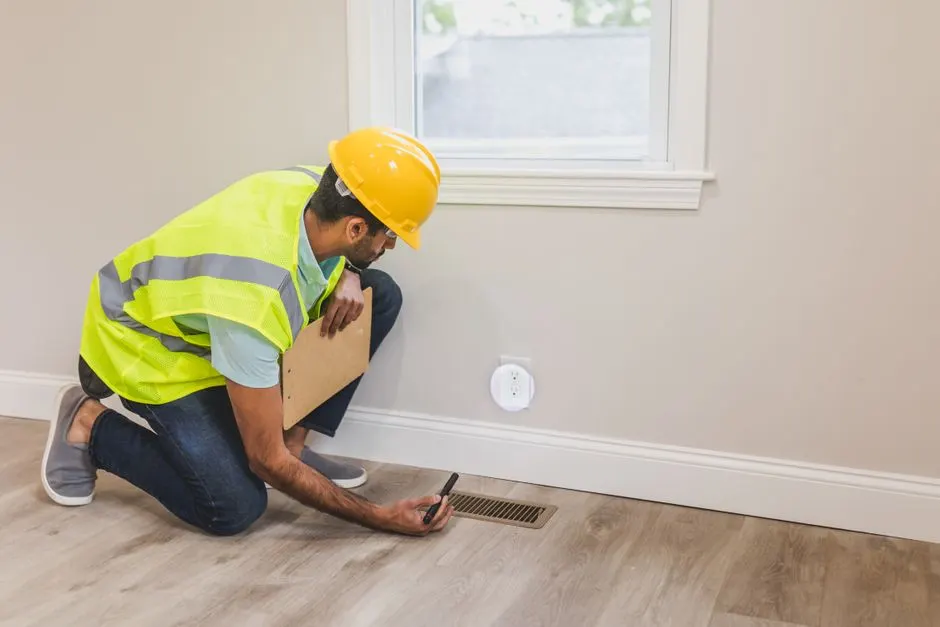 Mold Inspection Near MeIf you need a mold inspection near me in SAN YSIDRO, we cover the whole property, not just the basement. We check attics, bathrooms, and crawl spaces in the same visit so you get one report covering every moisture-prone zone.Explore →
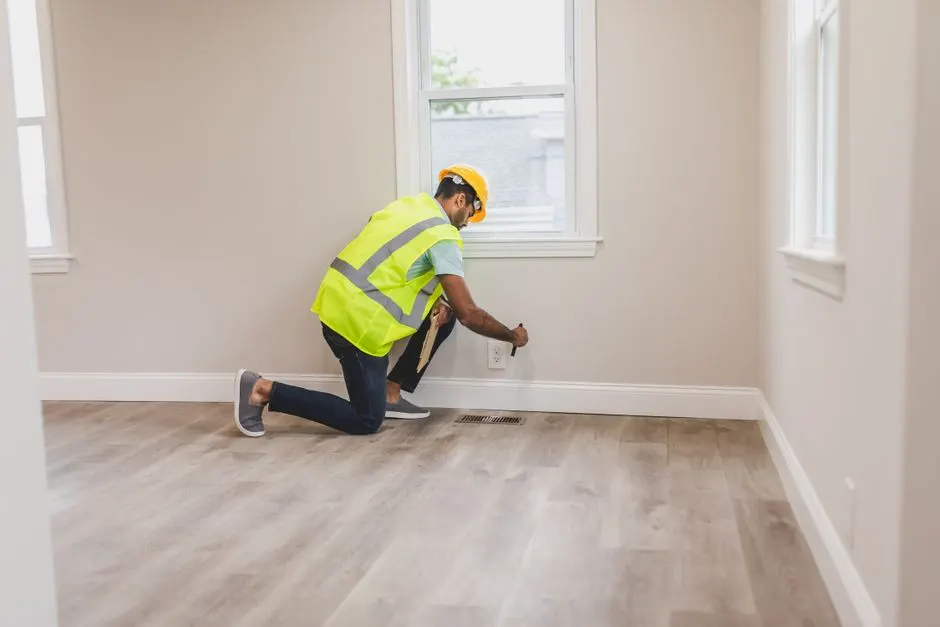 Mold InspectionOur general mold inspection service covers every level of your SAN YSIDRO home. We start with a visual walkthrough, then confirm findings with moisture meters and thermal imaging cameras. It is the right call when you are not sure where the problem is.Explore →
 Mold TestingMold testing identifies the genus and spore count in your air or on surfaces. We pair it with basement inspections when you need lab documentation for insurance, real estate, or a doctor. Results come back in 24 to 48 hours.Explore →
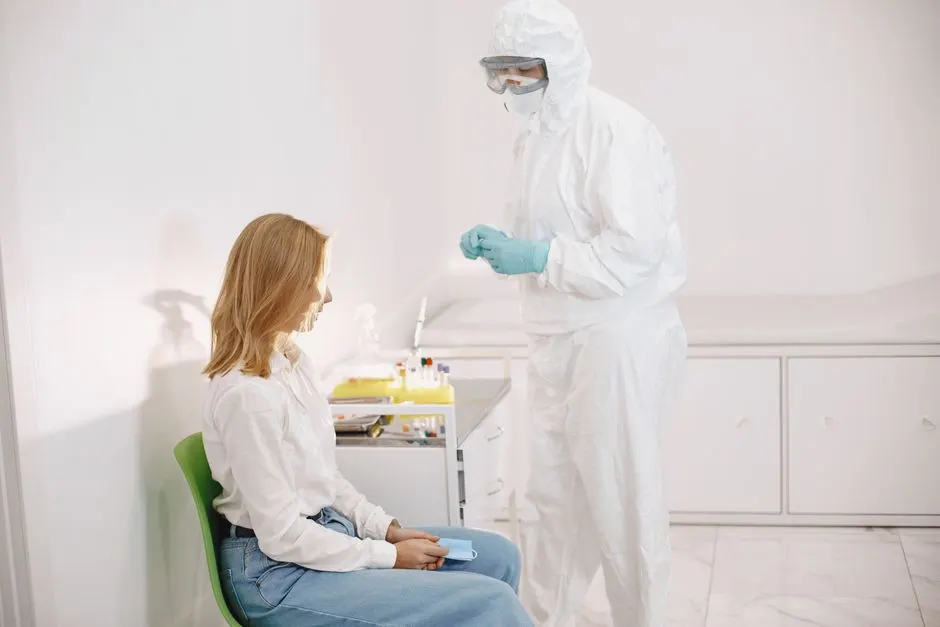 Mold Testing Near MeSearching for mold testing near me in SAN YSIDRO? We serve Border Village, Sunset Gardens, East Beyer, and the Beyer Boulevard Corridor. Same-day slots are available for urgent calls, and every sample goes to an accredited lab.Explore →
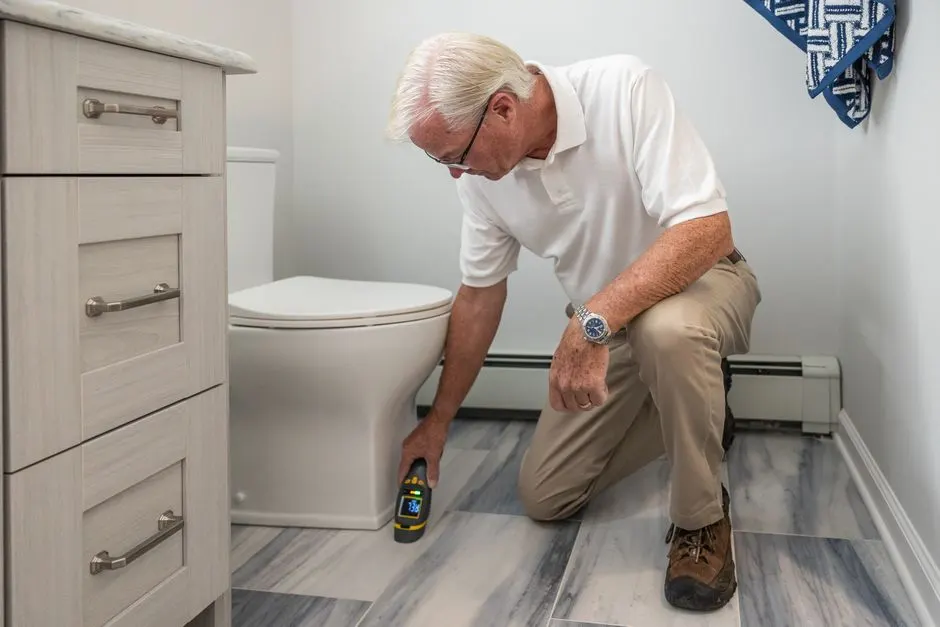 Certified Mold InspectorOur certified mold inspectors hold IICRC AMRT and ACAC CMI credentials. That matters when you need a report that holds up with an insurance adjuster, a real estate agent, or a contractor bidding on remediation work.Explore →
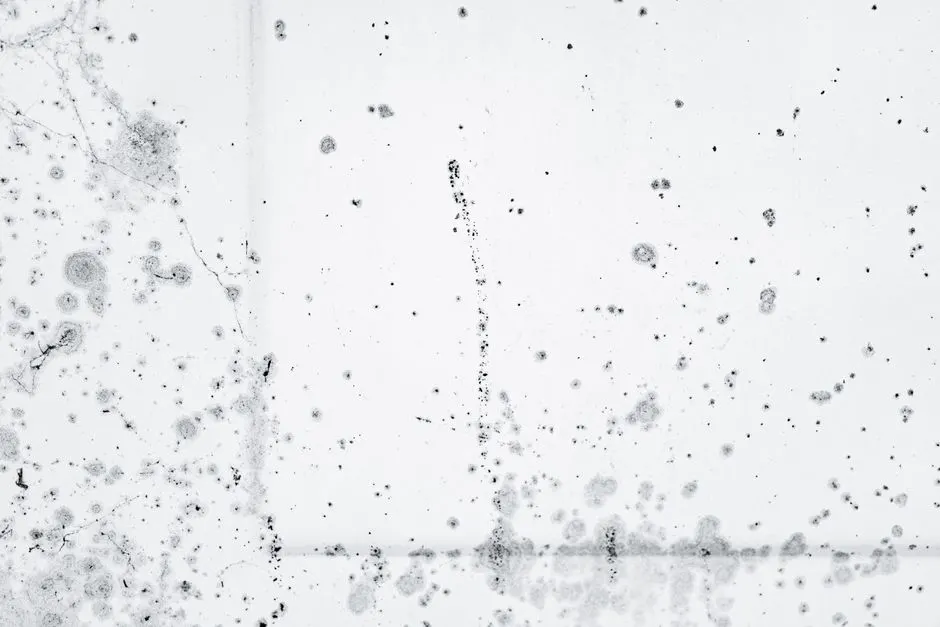 Black Mold InspectionBlack mold growth in a basement needs fast confirmation. We inspect, sample, and identify the genus so you know whether you are dealing with Stachybotrys or a less concerning species. The report tells you exactly what to do next.Explore →
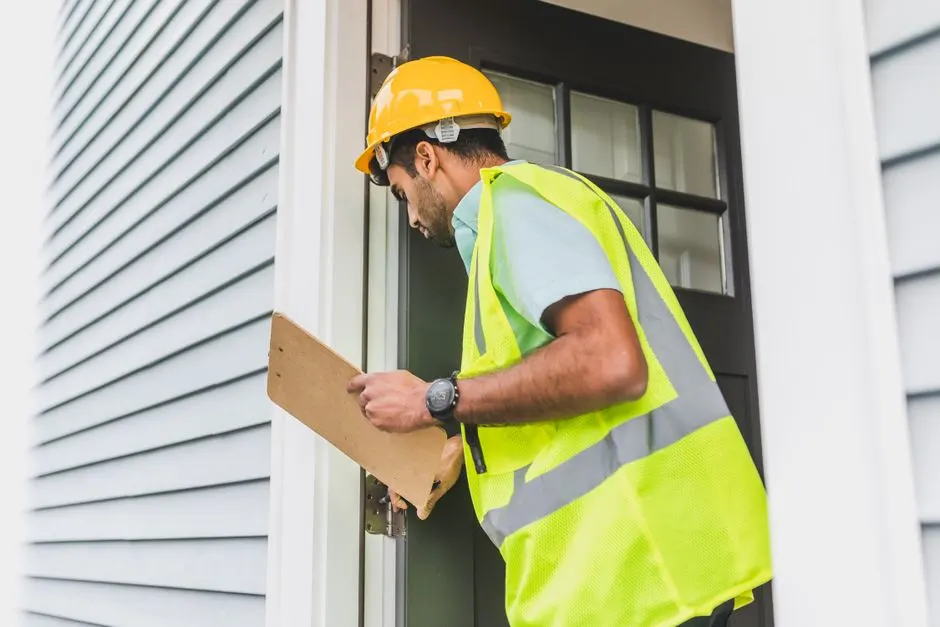 Home Mold InspectionA full home mold inspection covers every level, from the attic to the crawl space. We recommend it when you have had a roof leak, a slab leak, or a plumbing failure that may have spread moisture beyond the basement.Explore →
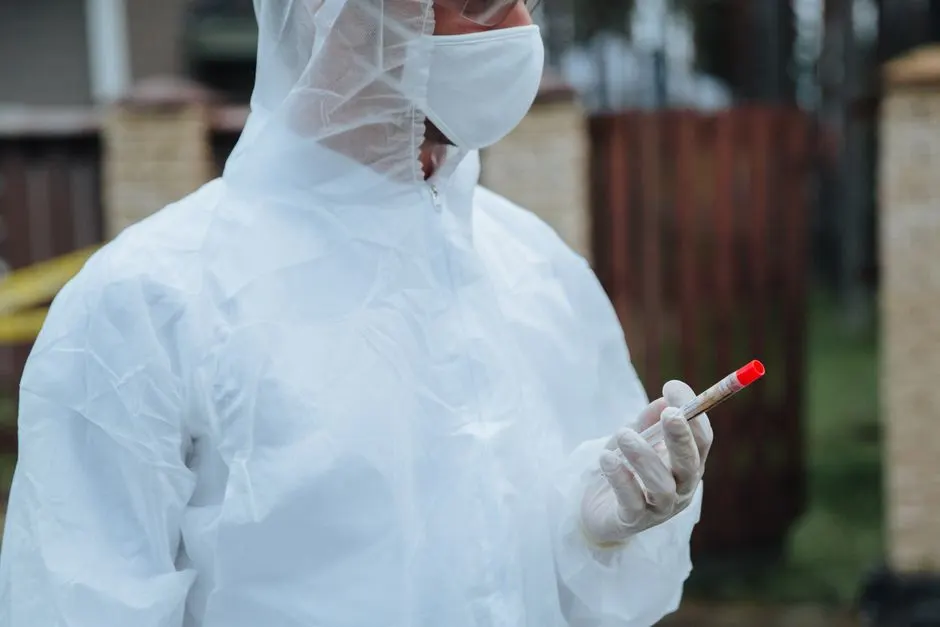 Residential Mold TestingResidential mold testing for SAN YSIDRO homeowners includes air sampling, surface swabs, and a written report. We test basements, bedrooms, kitchens, and HVAC systems so you know exactly where the spores are coming from.Explore →
If you smell something musty or see dark patches in your basement, do not wait. Call (833) 929-5837 and we will schedule your inspection, usually the same day. Our certified inspectors use moisture meters, thermal imaging cameras, and lab-backed sampling to give you real answers.
Book Inspection Now (833) 929-5837 →Call (833) 929-5837 any time, day or night, and a real person answers. We schedule inspections same-day when possible and dispatch emergency crews 24/7 for active leaks and spreading mold. If you prefer email, send photos and your address to info@moldremediationservicesanysidro.com and we will follow up with next steps.